Credit cards are one of today’s most useful financial tools, yet they are also one of the most misunderstood. Used properly, they help you build your credit score, earn valuable rewards, and secure strong consumer protections against fraud or disputed purchases. Used carelessly, they can lead to overwhelming high-interest debt and years of financial stress.
Whether you are considering your first credit card or looking to develop better money habits, this comprehensive guide will teach you everything you need to know about using credit cards responsibly. You will learn how to choose the right credit card, avoid common pitfalls, pay your balance effectively, use rewards strategically, and maintain good financial health. Along the way, you’ll find practical examples, mini-case studies, tips for beginners, and actionable strategies that help you build strong credit without risking unnecessary debt.
Let’s take the confusion out of credit cards and empower you with simple, proven steps anyone can follow, even if you’re starting from scratch.
Why Understanding Credit Cards Is Essential
Credit cards are commonly portrayed as dangerous or risky, but like any tool, their impact depends on how you use them. When leveraged intelligently, credit cards can serve as a gateway to financial opportunity. They can determine whether you secure a mortgage, qualify for an auto loan, or even get approved for housing. They can lower insurance premiums, help you rent a car without deposits, and provide valuable protections against identity theft or faulty transactions.
However, many people never learn how credit cards work—and end up paying far more than they need to in fees and interest. A lack of knowledge often leads to fear, avoidance, or misuse. The good news? You do not need to be a financial expert to benefit from credit cards. You simply need to understand how they function, build strong habits, and make intentional spending decisions.
Let’s break down the fundamentals so you can make informed choices.
Credit Cards vs. Debit Cards
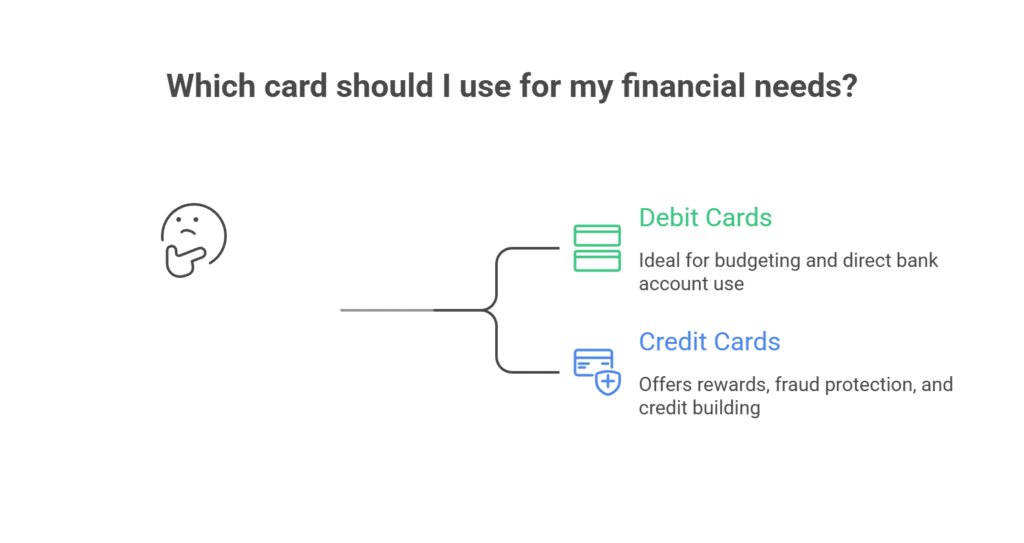
Many beginners assume credit cards and debit cards are similar because both are used to make purchases. The key difference is:
- Debit cards: Automatically deduct money from your bank account.
- Credit cards: Allow you to borrow funds up to your limit, then pay them back later.
Credit cards offer rewards, protections, and credit-building benefits that debit cards do not. Used properly, credit cards can increase your net worth instead of draining it.
Pick the Right Credit Card for Your Situation
The journey toward responsible credit card use begins with selecting the right card. Not all credit cards are created equal. Some have high fees, confusing reward systems, or interest rates that make them costly. Others are designed specifically for beginners, helping you build credit without unnecessary complexity.
Choosing the correct card depends on your lifestyle, financial goals, and spending habits. Before applying for a new credit card, spend time comparing features, benefits, reward structures, and fee schedules. Doing so will save you money and help you match the card to your priorities.
Starter Card Features to Look For
When you’re new to credit cards, keep things simple. Look for:
- No or low annual fee: Avoid paying unnecessary costs while learning.
- Reasonable credit limit: Enough to build credit without encouraging overspending.
- Introductory APR or cashback on essentials: Benefits without complexity.
- Basic reward structure: Prefer cash-back or simple points systems.
If your credit history is limited or not yet established, you may also consider a secured credit card. These require a refundable deposit and help you build credit through responsible use.
Types of Beginner-Friendly Cards
- Cash-back cards: Best for everyday spending and simplicity.
- Student cards: Designed for young adults with no credit history.
- Secured cards: Ideal for building or rebuilding credit.
- Retail store cards: Easier to qualify for but often higher interest (use sparingly).
Mini-Case Study on Matching Cards to Habits
Maria, age 22, buys most essentials using her bank debit card. She lives on a student budget and wants to build credit. She chooses a no-annual-fee cashback card offering 1–3% back on everyday spending. She avoids travel cards because she rarely travels, and prioritizes simplicity over complex reward programs. Within a year, her solid payment history boosts her credit score, helping her qualify for better cards later.
Pay the Full Balance Every Month
Paying your balance in full every month is the single most important rule of responsible credit card use. Doing so ensures you never pay interest and remain debt-free while building credit. Credit card companies typically charge high interest rates, often 17–30% or more, which means carrying a balance can get expensive quickly.
Even if you cannot pay your balance in full occasionally, you should always make an effort to pay more than the minimum. The minimum payment keeps your account in good standing, but paying only that amount leads to interest accumulating rapidly, extending repayment for months or years.
How Interest Works
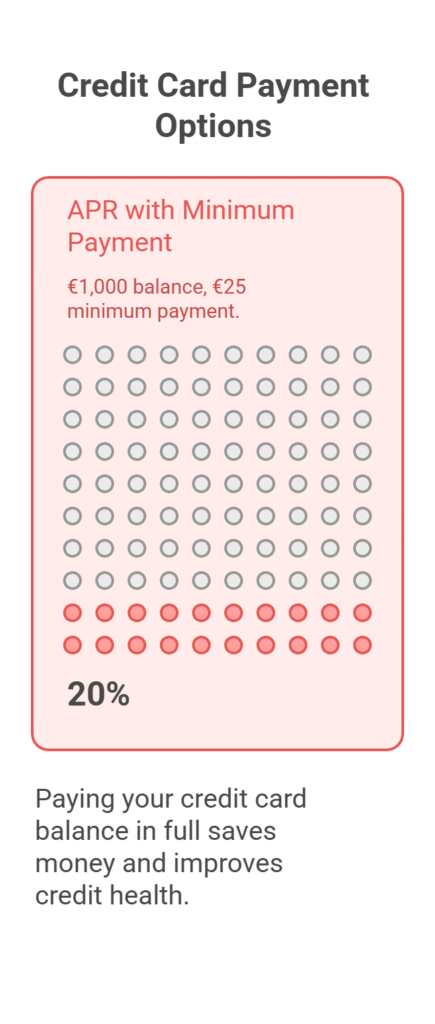
When you don’t pay your full balance by the due date, interest is charged based on your card’s Annual Percentage Rate (APR). This interest compounds daily, meaning your balance grows quickly.
Example:
- Balance: €1,000
- APR: 20%
If you only pay €25 per month, it could take years to pay off and cost hundreds in interest.
Paying in full avoids all of that.
Set Up Alerts and Autopay
To prevent late payments, set up automatic payments for at least the minimum amount. Then, pay the remaining balance manually or increase your autopay amount once you’re comfortable.
Helpful tip:
- Enable due-date reminders via email, app notifications, or SMS.
- Use online banking apps to track your balance in real time.
These habits protect your credit score and prevent costly late fees.
Keep Your Credit Utilization Low
Credit utilization, also known as credit usage, is the percentage of your available credit you are currently using. This number is a major factor in your credit score calculation. A lower utilization rate signals responsible behavior and suggests you are not overly reliant on credit.
Experts generally recommend keeping utilization below 30%, but lower is better. If your credit limit is €1,000, try to keep your balance under €300. Ideally, maintain 1–10% usage for maximum credit score benefit.
Why Utilization Matters
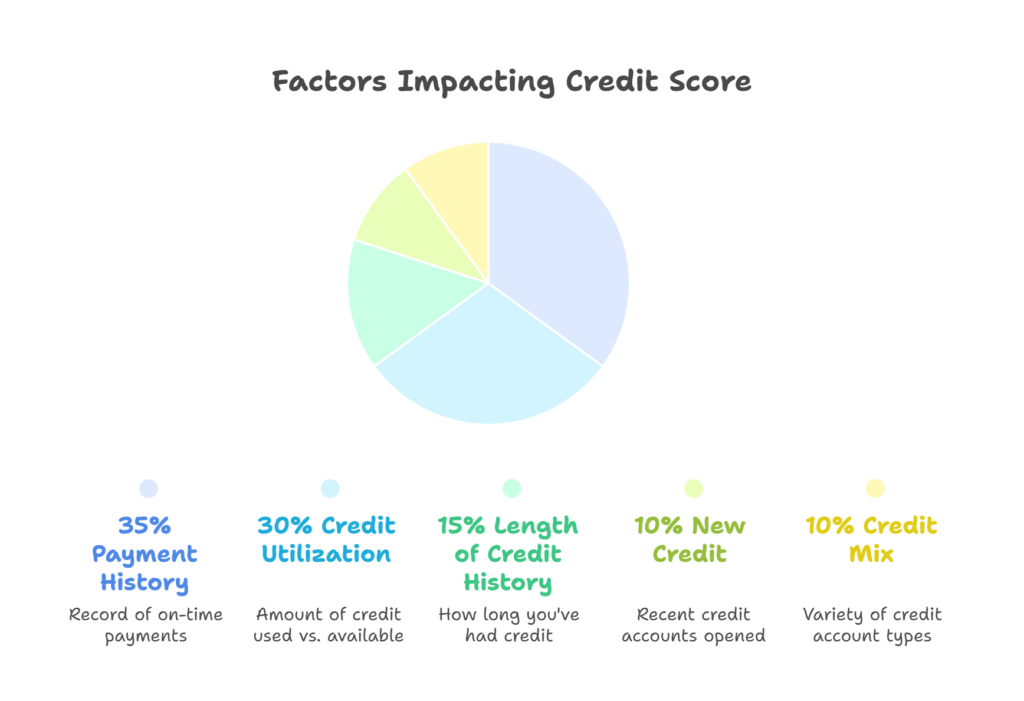
Credit utilization is part of the Amounts Owed category, about 30% of your score. High utilization makes lenders think you may be a risky borrower. As a result, they may reduce your credit line or increase interest rates.
What to Do If Your Utilization Is High
Here are steps to reduce your usage:
- Pay balances before statement date: Lowers reported utilization.
- Request a credit limit increase: Expands available credit (but do not increase spending).
- Spread purchases across multiple cards: Helps keep individual ratios low.
- Pay twice a month: Keeps balances consistently low.
Mini-comparison:
Two people spend €300/month using credit cards.
- Person A: €1,000 credit limit → 30% utilization
- Person B: €3,000 credit limit → 10% utilization
Person B appears more responsible to lenders even though both spent the same amount. That’s why increasing your limit responsibly can help your score.
Use Credit Card Rewards Wisely
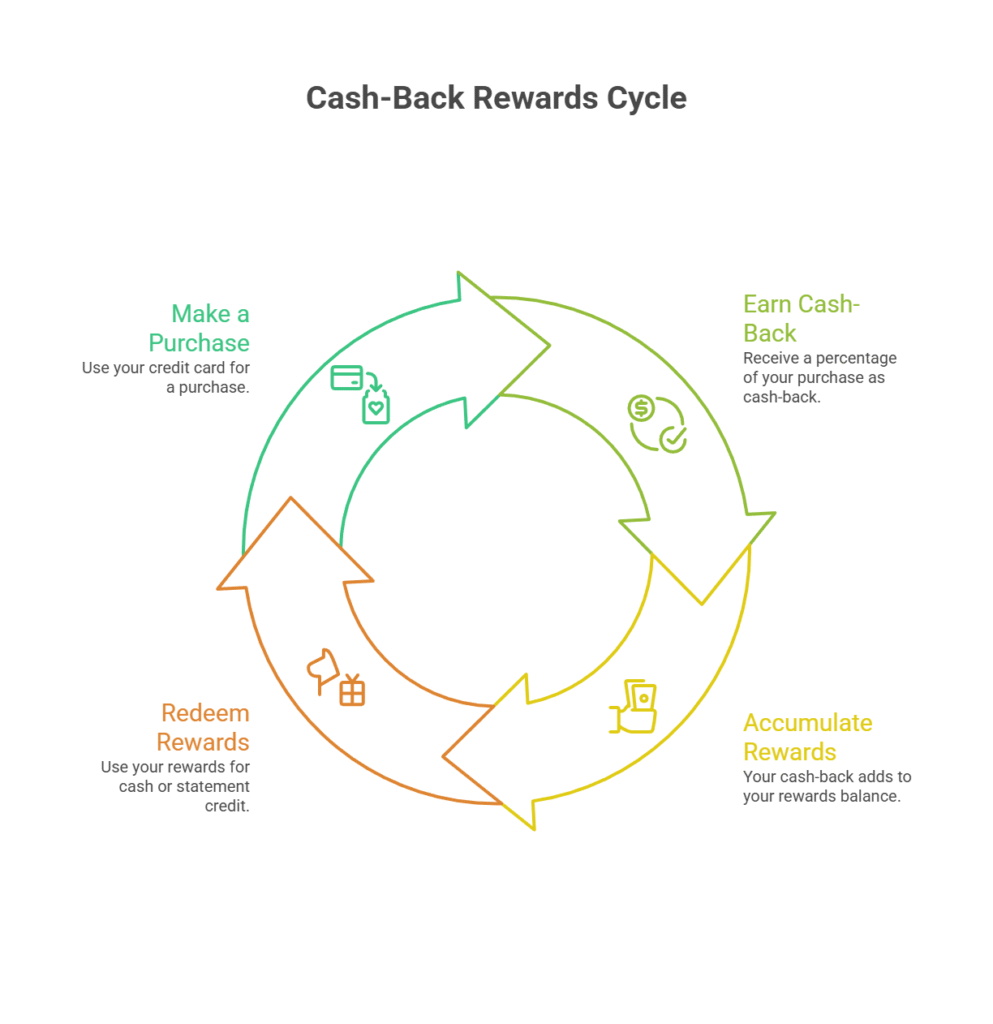
Rewards programs are one of the biggest benefits of credit cards. They allow you to earn cash-back, travel points, merchandise discounts, or partner benefits. But rewards only help if you treat credit cards as a payment method, not extra income.
To use rewards responsibly, always buy only what you planned to buy. Overspending just to earn points leads to debt, which erases any reward value.
Types of Credit Card Rewards
- Cash-back: Simple, flexible, beginner-friendly.
- Travel rewards: Best for frequent travelers.
- Points/miles: Convert to flights, hotels, or goods.
- Bonus categories: Higher rewards for specific purchases.
Beginner Tips
- Start with a simple cash-back card (1–3%).
- Don’t buy extra items for points.
- Redeem rewards regularly points can lose value.
- Check for bonus categories (groceries, fuel, dining).
Pro users may build multiple cards to maximize rewards, but beginners should stick to one or two to avoid confusion.
Protect Yourself from Fraud
Credit cards offer strong fraud protections compared to debit cards. With debit cards, unauthorized charges may immediately withdraw funds from your bank account, taking days or weeks to resolve. With credit cards, disputed transactions are temporarily removed while investigated.
This security benefit alone makes credit cards safer for online shopping than debit cards.
How to Prevent Fraud
Responsible habits include:
- Use strong passwords and update them regularly.
- Enable two-factor authentication (2FA).
- Monitor your statements weekly.
- Set alerts for large transactions.
- Use virtual card numbers when available.
What to Do If You See Suspicious Activity
- Contact your card issuer immediately.
- Freeze your card via the mobile app.
- File a dispute for unauthorized charges.
- Request a new card if needed.
Most credit cards offer zero-liability policies, meaning you are not responsible for fraudulent charges if reported promptly.
What to Do If You Miss a Payment
Missing a payment can feel stressful, but it’s important to act quickly. A single late payment can temporarily harm your credit score and result in late fees. However, credit card companies are often willing to work with you, especially if you’re usually reliable.
Steps to Take Immediately
- Pay the balance ASAP: Reduces damage.
- Call your issuer: Ask to waive the late fee.
- Set autopay: Avoid future missed payments.
Some issuers offer grace periods or forgive a first late payment if your account is otherwise in good standing.
If You Cannot Pay in Full
Ask about:
- Payment extensions
- Hardship programs
- Temporary lower interest rates
Being proactive often leads to better outcomes.
Beginner Mistakes to Avoid
To use credit cards responsibly, avoid these common pitfalls:
- Spending more than you can afford to repay
- Ignoring statement dates and minimum payments
- Closing your oldest card unnecessarily
- Applying for too many cards at once
- Carrying high balances
- Chasing rewards by overspending
- Using credit cards as income
Remember: Credit is a tool not free money. Spend intentionally, track your balance, and stay within your budget.
Mini Guide: How to Build Credit the Right Way
1. Always Pay On Time
Payment history accounts for ~35% of your credit score. One late payment can hurt your score for months.
2. Pay in Full
Stay debt-free and avoid interest.
3. Keep Utilization Low
Avoid maxing out your card.
4. Keep Old Accounts Open
Helps maintain a longer credit history.
5. Apply Gradually
Avoid submitting multiple applications at once to prevent unnecessary hard inquiries.
Frequently Asked Questions
1) How many credit cards should a beginner have?
Start with one. Once you demonstrate consistent on-time payments and responsible usage, you may add a second card especially if there’s a reward category you want to take advantage of. But opening too many cards quickly can be confusing and add risk.
2) Will closing a card hurt my credit?
Sometimes. Closing a card may reduce your available credit (increasing utilization) and shorten your average credit age. If a card has no annual fee, consider keeping it open, even if rarely used.
3) Should I use a credit card for everyday spending?
Yes! if you pay in full each month. Doing so helps you build credit and earn rewards without accumulating debt.
4) Do credit cards help build credit?
Yes. On-time payments, low utilization, and long account history contribute to a strong credit score.
5) What is a secured credit card?
A secured card requires a refundable deposit. It’s a safe way to build or rebuild credit. After responsible use, many issuers upgrade you to an unsecured card.
Conclusion on Using Credit Cards Wisely
Credit cards are neither good nor bad—they are tools. The way you use them determines their impact. With strong habits, a clear plan, and a focus on budgeting and repayment, credit cards can elevate your financial life. They can improve your credit score, unlock better loan rates, provide valuable rewards, and protect you from fraud.
Remember:
- Choose the right card for your lifestyle.
- Pay your balance in full.
- Keep utilization low.
- Use rewards responsibly.
- Monitor accounts regularly.
Start small, build strong habits, and watch your credit profile grow stronger month by month. With time and consistency, credit cards will become valuable allies on your path to financial independence.
Ready to take control of your financial future?
Start by selecting your first beginner-friendly card and commit to paying it in full each month. Your future self will thank you.